
How a Contact Lens Exam Differs From a Standard Eye Exam
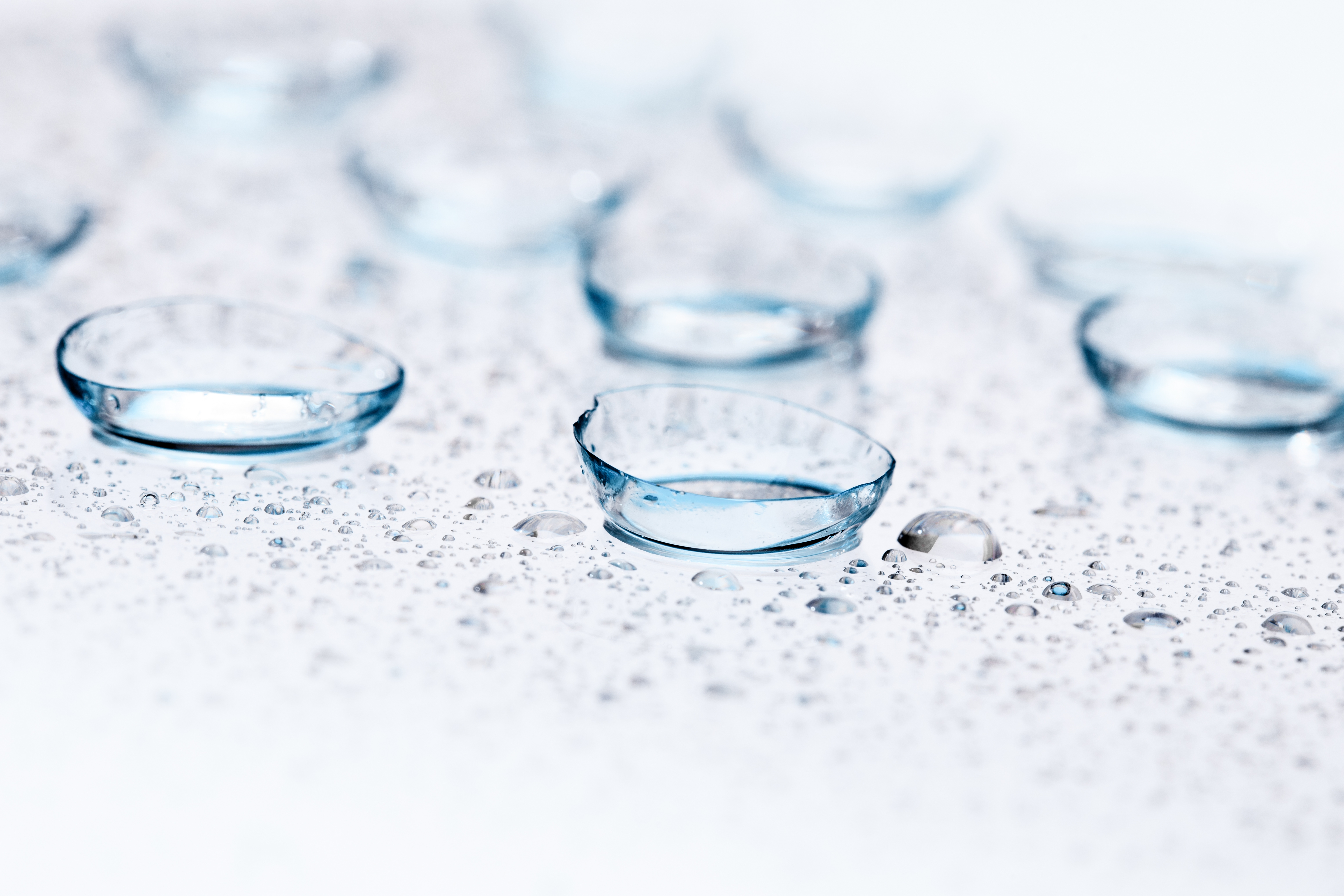
Maybe you had your eyes checked last year, and your prescription did not change. When you ask about contact lenses, it might seem natural to use your glasses prescription. Many people assume this, but it is not the right approach.
Although a contact lens exam and a standard eye exam have a few things in common, they serve different purposes. Understanding these differences explains why the extra step is important. It helps keep your eyes healthy and your vision sharp.
What a Standard Eye Exam Covers
What does a standard eye exam actually look for? Two things. First, the sharpness of your sight. The doctor wants to know if you are nearsighted, farsighted, or have astigmatism. Second, the health of your eyes. They will look closely at the front and back of each eye for early signs of conditions like glaucoma, cataracts, or macular degeneration. It takes only a few minutes, and it does not hurt.
A standard eye exam gives you a prescription for glasses. Glasses do their work from about twelve millimeters away, bending light before it reaches your eye. The prescription is based on how your eyes function when nothing is resting on them.
What a Contact Lens Exam Adds
A contact lens exam covers everything in a standard eye exam, but it also goes further to check how a lens fits your eye and how your eye responds to it. Here is how it sets it apart.
Measuring the Shape of Your Eye
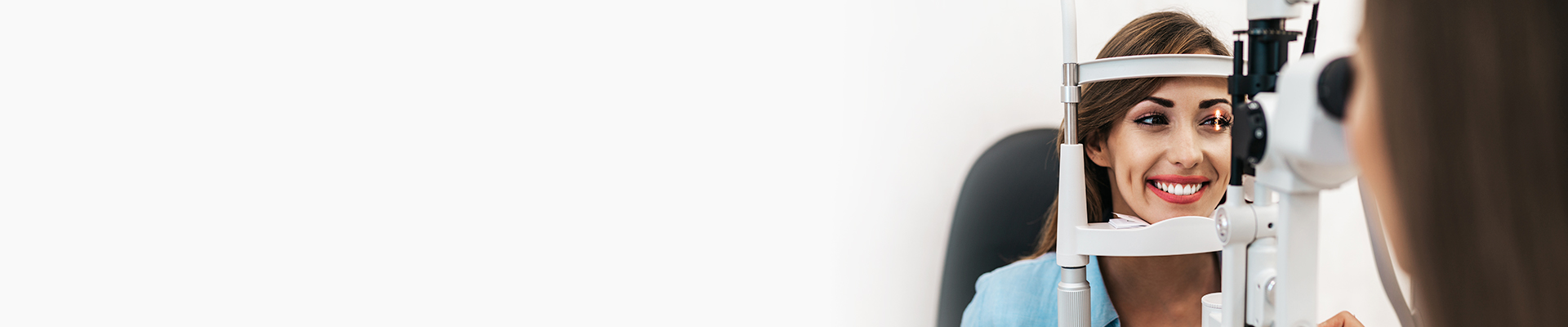
Before prescribing contact lenses, your doctor measures the curvature of your cornea. You will look into a machine that shines a soft ring of light onto your eye. The whole thing takes a few seconds and feels like nothing. That measurement determines the exact fit of your lenses. A poor fit can lead to redness, irritation, or even scratches, so this step is not optional.
Checking Your Tear Film
Your tears are very important in determining how comfortable the contact lens will be. Under a bright microscope, your doctor will watch how your tears spread and how quickly they evaporate.
A small drop of dye can highlight any dry spots. If your eyes tend toward dryness, the doctor can choose a lens that locks in moisture, so you do not feel that scratchy sensation by late afternoon.
Why the Prescription Is Not the Same
Your glasses prescription does not automatically work for contact lenses. The strength changes because a contact lens sits on your eye, not twelve millimeters away. Your doctor will adjust the prescription and might test it by putting a trial lens on your eye and asking you to read the chart. The fitting process for contacts is different for everyone.
Trying a Lens On
A standard exam ends with a prescription. A contact lens exam goes one step further. Your doctor places a trial lens on your eye so that you can feel what a real lens is like. They watch how it moves with each blink and ask you how it feels. Before you leave, you practice putting the lenses in, taking them out, and cleaning them. A follow-up visit a week or two later confirms the fit is still good and your eyes are healthy.
To learn more about the difference between contact lens exams and standard eye exams, visit Dr. Jenny Hung Optometry. We have offices in Rosemead and Chino, California. To schedule an appointment today, call (626) 312-2712 or (909) 590-0921.
https://www.allaboutvision.com/eye-care/eye-exam/types/eyeglasses-vs-contacts-exam/
https://www.warbyparker.com/learn/contact-lens-exam


MAP
© 2026 Dr. Jenny Hung Optometry. All Rights Reserved. Accessibility Statement - Privacy Policy - Sitemap
Powered by: 